Spring in Arizona means warmer weather and more allergens like pollen, dust, and pet dander. If your allergies feel worse indoors, your HVAC system may be part of the problem or the solution.
Your heating and cooling system filters the air inside your home. With proper maintenance and filtration, it can help reduce airborne allergens and improve indoor air quality.
According to the EPA, improving indoor air quality through filtration and ventilation helps reduce exposure to airborne allergens.
___________________________________________________________________________________________________________________________________________________
Your HVAC air filter traps pollen, dust, and pet dander before they circulate through your home.
Higher efficiency filters can capture smaller particles and improve indoor air quality. The CDC recommends using higher efficiency HVAC filters when compatible with your system.
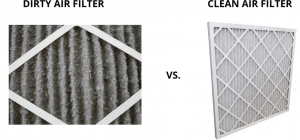
Your HVAC system continuously cycles air through the filter, helping remove airborne particles.
Studies show improved HVAC filtration can reduce indoor allergen levels and help reduce symptoms.
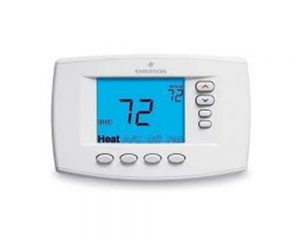
Maintaining indoor humidity between 30 and 50 percent helps reduce mold and dust mites. Your HVAC system plays a key role in regulating humidity.
___________________________________________________________________________________________________________________________________________________
Change your air filter every 30 to 45 days during allergy season.
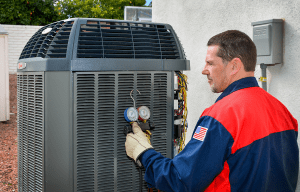
Schedule seasonal HVAC maintenance to keep components clean and airflow strong.
Keep vents open and unobstructed to improve air circulation.
Consider air quality upgrades like whole home filtration or air purifiers.
Portable HEPA filtration has been shown to reduce airborne allergens indoors.
___________________________________________________________________________________________________________________________________________________
Watch for these signs
More dust in your home
Frequent sneezing indoors
Weak airflow
Musty smells
Dirty air filters
These symptoms may indicate poor indoor air quality.
___________________________________________________________________________________________________________________________________________________
Spring allergies are unavoidable, but your HVAC system can help reduce allergens indoors.
The best way to improve indoor air quality
Replace filters regularly
Schedule maintenance
Improve airflow
Control humidity
Upgrade filtration
A properly maintained HVAC system can help keep your home comfortable all spring.