
Phoenix weather brings sudden dust storms and flash floods that can put your HVAC system at risk. Homeowners must take steps to keep equipment safe and running well. A simple plan to storm-proof your HVAC system now can save you from costly ac repair later.
Storm-proofing goes beyond comfort. It protects your system from damage caused by heavy dust and sudden water flow. Proper planning reduces the chance of major hvac repair and helps your family stay cool when storms strike.
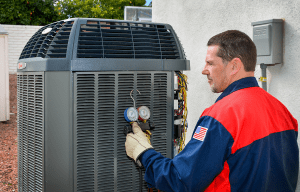
Your outdoor condenser is the most vulnerable part of your HVAC system. Secure the unit with a protective cover when storms are forecast. Covers help prevent dust and debris from clogging the system, reducing the need for emergency ac repair.
Flash floods can sweep water toward your HVAC unit. Place the system on a raised platform if possible. Proper drainage around your home can also prevent costly hvac repair caused by water damage.
Dust storms send fine particles into every corner of your home. Sealed ductwork helps stop dust from entering your system. Duct sealing also improves efficiency, lowering bills and reducing the risk of ac repair needs.
Choose high-quality filters that trap fine dust common in Phoenix storms. Replace filters more often during monsoon season. Clean air filters lower the chance of clogged systems and reduce the frequency of hvac repair.
A professional inspection before storm season keeps your system ready. Technicians can spot small issues before they become emergencies. This proactive step saves you from expensive ac repair later in the summer.
Routine maintenance builds a strong defense against storm damage. Cleaning coils, tightening connections, and checking refrigerant levels all make a difference. These simple tasks help you avoid unnecessary hvac repair.
Smart thermostats can alert you to system changes during storms. Alerts let you take action before damage worsens. This technology reduces downtime and the need for urgent ac repair.
Keep shrubs, furniture, and debris away from your outdoor unit. Dust storms and high winds can blow objects into the system. Preventing impact damage helps lower the risk of major hvac repair.
Know where your system’s shut-off switches are located. If flash floods threaten, turn off your unit to prevent electrical hazards. This quick step can save your system and reduce ac repair costs.
Lightning strikes and power surges are common during monsoon storms. A surge protector shields your HVAC system from sudden electrical spikes. Without it, you may face costly hvac repair.
Proper insulation helps your system work efficiently even during extreme weather. It also keeps dust and moisture from sneaking inside. Insulation upgrades are a simple way to avoid repeated ac repair.
Flash floods can spike indoor humidity levels. Use dehumidifiers to keep conditions balanced. Controlled humidity helps your HVAC run smoothly and lowers hvac repair needs.
Seal and protect electrical connections on your outdoor unit. Waterproofing reduces the risk of short circuits caused by storms. This action saves money on emergency ac repair.
Once the storm passes, check your outdoor unit. Remove leaves, branches, or standing water around it. Regular cleaning prevents small problems from turning into hvac repair emergencies.
Teach family members about HVAC care during storm season. Simple habits like closing windows or adjusting thermostats wisely make a difference. Education helps prevent ac repair surprises.
Not every problem is a DIY fix. If your system makes strange noises or fails to cool, call a professional. Experts can provide lasting solutions for hvac repair instead of short-term fixes.
Consider upgrades like flood barriers, reinforced housings, and advanced filtration systems. These investments may cost upfront but reduce future ac repair expenses and extend your system’s life.
Phoenix homeowners face unique weather risks, but storm-proofing your HVAC system is possible. From dust control to flood prevention, each step protects your comfort and your investment. Staying proactive keeps hvac repair needs at bay.
Stay updated with our latest home maintenance tips and guides by visiting our blog regularly.
Your home is your haven, and we’re here to help you keep it running smoothly.
Read our customer testimonials and check out our newest deals and coupons to discover why Chas Roberts is the right fit for you!