
Arizona summers are tough on air conditioners. Whether you live in Phoenix, Tucson, Mesa, Scottsdale, Chandler, Gilbert, Glendale, Peoria, Tempe, Queen Creek, Buckeye, Surprise, Avondale, or Casa Grande, your AC system works hard through long days of heat, sun, dust, and triple-digit temperatures.
The good news is that staying comfortable does not always mean lowering the thermostat. In fact, setting your thermostat too low can make your system run longer without cooling your home faster.
A few simple cooling hacks can help your home feel more comfortable while reducing strain on your AC system. These tips are not about replacing professional maintenance or repair, but they can help your system work smarter during Arizona’s hottest months.
 1. Use Ceiling Fans the Right Way
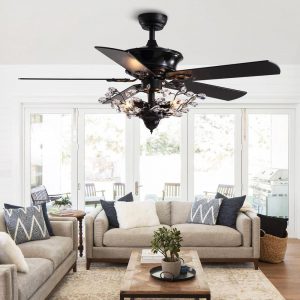
Ceiling fans can make a room feel cooler, but only when they are used correctly.
During summer, ceiling fans should usually run counterclockwise to create a downward breeze. That breeze helps your body feel cooler, which may allow you to raise the thermostat a few degrees without sacrificing comfort.
The U.S. Department of Energy notes that using a ceiling fan can allow homeowners to raise the thermostat setting by about 4 degrees without reducing comfort.
Just remember that fans cool people, not rooms. Turn them off when you leave so you are not using extra energy for an empty space.
Arizona sun can heat up a home fast, especially through west-facing and south-facing windows.
Closing blinds, shades, or curtains during the hottest part of the day can help reduce heat gain inside the home. This is especially helpful in rooms that get strong afternoon sun, like bedrooms, living rooms, lofts, and upstairs spaces.
For homes in areas like Scottsdale, Gilbert, Chandler, Glendale, and Tucson, where direct sun exposure can be intense, managing window heat can make a noticeable difference.
A simple rule: if the sun is hitting the window, close the covering.

Your oven and stovetop can add heat to your home, especially during the afternoon and early evening.
During Arizona summer, try using smaller appliances when possible, like an air fryer, microwave, toaster oven, slow cooker, or outdoor grill. You can also prep meals earlier in the day before the hottest hours hit.
This helps reduce the amount of heat your AC has to remove from the home.
A dirty air filter is one of the easiest ways to make your AC work harder than it should.
When the filter is clogged with dust, pet hair, lint, or debris, airflow becomes restricted. That makes it harder for your system to move cool air through the home. In Arizona, filters can clog faster because of dust, construction, monsoon winds, pets, and long cooling seasons.
Check your filter monthly during heavy-use months. If it looks dirty, replace it.
This is one of the easiest cooling hacks because it takes only a few minutes but can make a real difference in airflow and system performance.
Blocked vents can make it harder for your AC to move air evenly throughout the home.
Make sure furniture, rugs, curtains, toys, storage boxes, and pet beds are not covering supply or return vents. Closing too many vents can also create pressure inside the system and may reduce efficiency.
If one room is always hot, the answer usually is not to shut vents in other rooms. Uneven cooling may point to airflow issues, duct problems, sun exposure, insulation concerns, or system performance problems.
 6. Raise the Thermostat a Few Degrees
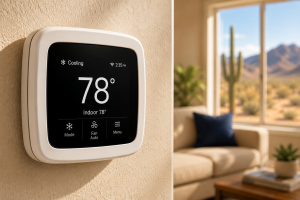
It may sound simple, but a small thermostat adjustment can reduce AC strain.
Instead of lowering the thermostat dramatically, try raising it a few degrees and using fans to help with comfort. SRP recommends setting thermostats around 78 to 80 degrees while home and up to 85 degrees while away.
This does not mean every home will feel comfortable at the same number. A two-story home in Queen Creek may feel different from a shaded home in North Phoenix or a home in Tucson with different sun exposure. The goal is to find the highest comfortable setting for your home and routine.
A programmable or smart thermostat can help your AC work around your routine.
If you are away during the day, sleeping at night, or trying to avoid peak energy periods, a thermostat schedule can help reduce unnecessary cooling. You can set the home slightly warmer when no one is home and bring it back down before everyone returns.
This is especially helpful for Arizona homeowners with time-of-use energy plans or families with predictable daily schedules.
Airflow matters. Keeping interior doors open can help air move more freely throughout the home.
When doors are closed for long periods, especially in bedrooms, pressure can build and airflow can become uneven. This may make some rooms feel hotter and cause the AC to run longer.
If you need to keep doors closed for privacy, make sure vents are clear and pay attention to rooms that regularly feel warmer than the rest of the house.
Cool air can escape through gaps around doors, windows, attic access panels, and other small openings. Warm outdoor air can also sneak inside.
Weatherstripping, caulking, and sealing small leaks can help keep conditioned air where it belongs. This is especially useful in older Arizona homes or homes with rooms that seem to heat up quickly.
If your home still feels hard to cool after basic changes, insulation and ductwork may also be worth evaluating.
Your outdoor AC unit needs airflow to release heat.
Keep weeds, leaves, branches, and debris away from the unit. Avoid stacking items around it, and make sure nearby landscaping is not blocking airflow.
A blocked outdoor unit has to work harder, especially during extreme Arizona heat. Keeping the area clear helps the system do its job.
Dryers, dishwashers, ovens, and some electronics can add heat to the home. During summer, try running these appliances earlier in the morning or later in the evening when the home is not already fighting peak heat.
This can help reduce the load on your AC during the hottest part of the day.
Cooling hacks can help, but they cannot fix a system that is dirty, worn, low on refrigerant, or struggling mechanically.
Professional AC maintenance helps make sure your system is ready for the season. A technician can check the system, look for worn parts, inspect airflow, review performance, and catch issues before they become bigger problems.
For Arizona homeowners, maintenance is one of the best ways to help your AC get through the long cooling season.
Cooling hacks can help your home feel more comfortable, but they are not a substitute for AC repair when something is wrong.
Call Chas Roberts if you notice:
The AC runs constantly
The home never reaches the set temperature
Airflow feels weak
Warm air comes from the vents
Some rooms are much hotter than others
The system turns on and off frequently
Your energy bill jumps unexpectedly
The outdoor unit makes unusual noises
Ice forms on the system
These signs may mean your AC is not just working hard. It may be struggling.
Every Arizona home is different. A west-facing home in Glendale may need extra window coverage. A two-story home in Gilbert may need help balancing airflow. A home in Scottsdale may deal with large windows and direct sun. A Tucson home may need extra attention to dust and long cooling cycles.
The best cooling strategy is the one that fits your home, your system, and your daily routine.
If your AC is working harder than it should, Chas Roberts can help homeowners across Phoenix, Tucson, Mesa, Scottsdale, Chandler, Gilbert, Glendale, Peoria, Tempe, Queen Creek, Buckeye, Surprise, Avondale, Casa Grande, and surrounding Arizona communities.
You do not have to rely only on your thermostat to stay cool. Simple habits like using fans correctly, closing blinds, checking filters, keeping vents clear, reducing indoor heat, and scheduling maintenance can help your home stay more comfortable without overworking your AC.
Arizona heat is tough, but the right cooling habits can help your system work smarter.
Want to keep your home cool without pushing your AC too hard? Schedule your AC maintenance or service with Chas Roberts today and get your system ready for Arizona heat.