But here’s the truth: not every plumbing problem is an emergency… and some that seem small can turn into disasters fast.
Understanding what actually qualifies as an emergency can save you:
Thousands in water damage
Serious health risks
And a middle-of-the-night panic call
Let’s break down the biggest emergency plumbing myths and what Phoenix homeowners really need to know.
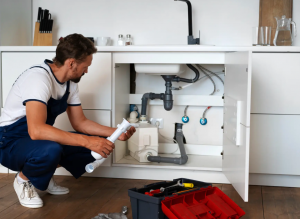
A plumbing emergency is any issue that threatens your home, health, or safety and requires immediate attention.
Burst pipes or major leaks
Sewage backups
Overflowing toilets that won’t stop
No running water
Gas leaks
These problems can escalate quickly, causing property damage, contamination, or safety hazards.
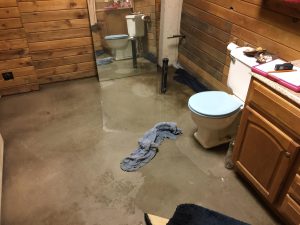
This is one of the biggest misconceptions.
Some of the most serious plumbing emergencies start small.
A hidden leak can weaken walls and cause mold
A slow sewer issue can suddenly back up
A minor drip can turn into a pipe burst
Even experts warn that small problems can quickly escalate into emergencies if ignored.
👉 Rule of thumb: If damage is spreading or worsening, treat it as urgent.
Not always.
A single slow drain = usually not an emergency
Multiple drains backing up = major issue
This often signals a main sewer line blockage, which can lead to sewage entering your home — a serious health hazard.
👉 If more than one fixture is affected, call immediately.
Sometimes… but not always.
Delaying emergency plumbing can lead to:
Structural damage to floors and walls
Mold growth within 24–48 hours
Electrical hazards from water exposure
A burst pipe can release gallons of water in minutes, causing major destruction.
👉 If water is actively leaking or flowing, don’t wait.
This one is flat-out wrong.
Sewage backups are serious health emergencies.
They contain harmful bacteria and contaminants that can cause illness and make your home unsafe.
👉 This is always a call-now situation.
Depends on the cause.
Simple heater issue → can wait
Leaking or failed water heater → emergency
Water heater failures can cause:
Flooding
Pressure issues
System damage
These situations often require immediate service.
Use this simple test:
Water is actively flooding or cannot be stopped
You smell gas
You have no water at all
Sewage is backing up into your home
Multiple drains are clogged at once
If it risks damage, safety, or livability — it’s an emergency.
Taking quick action can minimize damage:
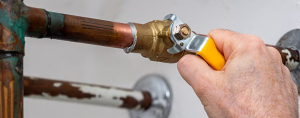
Shut off your main water valve
Turn off electricity if water is near outlets
Avoid using plumbing fixtures
Call a licensed emergency plumber
Even professionals recommend shutting off water first to limit damage.
In Metro Phoenix, plumbing emergencies can escalate faster due to:
Extreme heat stressing pipes
Hard water causing buildup
Older infrastructure in some neighborhoods
That means knowing when to act isn’t just helpful — it’s critical.