When temperatures climb past 110°F in Metro Phoenix, air conditioners work harder than any other time of the year. That is why many homeowners experience AC breakdowns during extreme heat.
It may feel like bad timing, but there are real reasons your system fails when you need it most. Understanding why air conditioners break during heat waves can help you avoid needing emergency AC repair in Phoenix.
On the hottest days of the year, your air conditioner may run nearly nonstop. Long run times create stress on critical components like compressors and fan motors.
When temperatures spike:
• Cooling systems run longer
• Parts overheat
• Electrical components wear faster
• Efficiency drops
According to the U.S. Department of Energy, lack of maintenance and heavy system demand are two of the most common causes of air conditioner failure.
Even small issues can cause a complete breakdown during extreme heat.
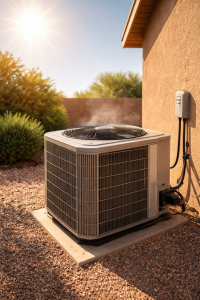
Many AC failures begin as minor problems that go unnoticed until temperatures peak.
Common causes include:
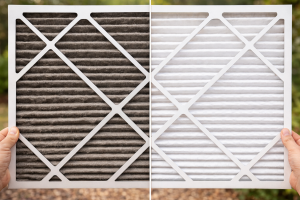
• Dirty air filters
• Low refrigerant
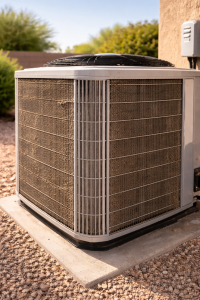
• Dirty condenser coils
• Electrical issues
• Restricted airflow
On a mild day, your AC may still function. On a 115°F day, the system may shut down.
Air conditioners in Metro Phoenix operate in one of the harshest climates in the country.
Extreme desert conditions cause:
• Dust buildup on coils
• Higher operating temperatures
• Longer run times
• Increased wear
The Urban Heat Island effect also keeps Phoenix hotter overnight, forcing AC systems to run longer without a break.
This continuous operation increases the chances of sudden failure.
Seasonal preparation can help reduce breakdowns during peak summer temperatures. Learn more in our Arizona HVAC seasonal maintenance guide.
Watch for these signs before a breakdown occurs:
• AC runs constantly
• Weak airflow
• Warm air from vents
• Higher electric bills
• Strange noises
Addressing these problems early can prevent emergency repairs.
Professional maintenance helps identify problems before extreme heat arrives.
Technicians check:
• Refrigerant levels
• Electrical connections
• Airflow
• Coil condition
Routine service is one of the most effective ways to prevent emergency AC repairs.
During Phoenix summers:
• Replace filters every 30 to 60 days
• Keep vents clear
• Maintain airflow
Good airflow helps your system survive extreme temperatures.
Your outdoor condenser needs room to breathe.
Maintain:
• Two feet of clearance
• Clean coils
• No debris buildup
Proper airflow prevents overheating during heat waves.
Even well maintained systems can fail during extreme heat.
Call for service if:
• AC stops cooling
• System will not turn on
• Breaker keeps tripping
• Burning smell is present
Emergency AC service is most common during Phoenix heat waves because systems operate under maximum stress.
Air conditioners rarely fail by coincidence. Most breakdowns happen during extreme heat because systems are pushed to their limits.
The best protection is:
• Regular maintenance
• Clean filters
• Early repairs
• Professional inspections
Taking care of your system now can help keep your home comfortable on the hottest days of the year.