
It is only January, which means North Scottsdale homeowners still have time to prepare for monsoon season the smart way. Once storms arrive, HVAC systems face dust, humidity, and sudden demand spikes. One simple habit started now can make monsoon HVAC preparation far easier and support long-term North Scottsdale HVAC maintenance.
Monsoon storms bring fine dust, higher humidity, and unpredictable temperature swings. Your air conditioner works harder before and after storms, especially when airflow is restricted. That added stress often exposes problems that started months earlier.
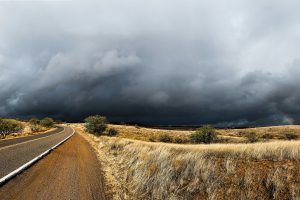
Open desert terrain, ongoing construction, and high winds all contribute to dust buildup. Even newer homes experience it. That is why routine A/C maintenance plays such a big role in keeping systems reliable through storm season.
A consistent HVAC filter replacement routine is one of the simplest ways to protect your system. Clean filters allow proper airflow, which helps your system manage both dust and humidity during monsoon season.
Turn your system off, remove the filter, and hold it toward a light. If light barely passes through, it is time to replace it. This small step often prevents the airflow problems that show up during heavy summer storms.
Starting now, filters should be checked every month. As monsoon season approaches, dust levels increase. According to ENERGY STAR’s HVAC guidance, clean filters help systems run more efficiently and reduce unnecessary strain.
Many homeowners assume higher MERV ratings are always better, but that is not true for every system. Filters with too much resistance can restrict airflow. The EPA’s MERV rating guide explains how filtration levels affect performance.
If airflow feels weak after installing a new filter, the system may be working harder than it should. Scheduling North Scottsdale HVAC maintenance before summer allows a technician to verify airflow, blower performance, and system balance.
In North Scottsdale homes, filters may be found in ceiling returns, hallway walls, garages, or utility closets. Some homes have more than one filter. During routine A/C repair or maintenance, a technician can confirm every location.
Prepare your HVAC system for monsoon season by replacing dirty filters, clearing debris from outdoor units, checking condensate drains, sealing return leaks, and scheduling maintenance before storms begin.
Monsoon humidity increases moisture inside your system. If the condensate drain is clogged, the system may shut down or leak water. Preventive maintenance helps catch drainage issues before storms arrive.
Leaky return ducts can pull dust from attics and wall cavities into your home. This is why many homeowners ask why dust returns so quickly after cleaning. The article Why Your Arizona Home Feels Dusty explains how HVAC issues often play a role.
During monsoon season, duct issues become more noticeable. According to NADCA’s professional guidance, duct inspection or cleaning is most effective when it addresses the entire HVAC system, not just visible vents.
Before monsoon season, clear debris and trim plants around the outdoor condenser. High winds can push dust and leaves into the unit, reducing heat transfer and cooling performance.
Emergency service calls increase sharply once storms and extreme heat overlap. Scheduling HVAC maintenance early helps avoid breakdowns when technicians are busiest.
Keeping a steady thermostat setting reduces system stress when humidity rises. APS offers practical advice on summer cooling strategies in its energy-saving cooling tips.
If you notice weak airflow, unusual smells, frequent cycling, or uneven temperatures, those issues often worsen during monsoon season. Addressing them early with air conditioning repair helps prevent mid-summer disruptions.
Drainage problems in the home can impact HVAC condensate systems. If water drains slowly or backs up, scheduling professional plumbing services can help prevent moisture-related issues.
Mineral buildup from hard water can affect drains and connected systems over time. Many homeowners choose water filtration services to protect equipment and reduce buildup.
– Begin monthly filter checks now
– Replace filters when they show buildup
– Keep outdoor units clear of debris
– Schedule HVAC maintenance before summer
– Watch for airflow or moisture issues
If your system already struggles in mild weather, it is unlikely to perform better during monsoon season. A professional inspection through maintenance or repair can identify issues early.
January is not too early to prepare. It is the advantage. Starting this habit now supports reliable North Scottsdale HVAC maintenance and makes monsoon HVAC preparation far less stressful.