Water pressure problems could put a big damper on your life. Water pressure plays a big role in your daily comfort. Showers, faucets, and appliances all rely on steady flow. If your water pressure suddenly drops, daily life becomes frustrating. Homeowners in Phoenix often face unique plumbing issues due to the desert environment. Understanding the causes can help you find the right solution.
Low flow from faucets, slow-filling toilets, and weak shower streams signal trouble. If your dishwasher or washing machine takes longer than normal, you may be dealing with a water pressure problem. Paying attention to these small signs saves you from bigger plumbing issues later.
Phoenix water contains a high level of minerals, making it “hard water.” This causes buildup inside pipes and fixtures. Over time, scale reduces water flow. Combined with the desert climate, these conditions make water pressure Phoenix problems more common than in many other regions.
Before calling a plumber, check if your neighbors also notice low water pressure. If they do, the issue may come from the city supply. You can contact the City of Phoenix Water Services Department to report problems or confirm ongoing repairs.
Sometimes the issue begins at your water meter. A partially closed valve or a faulty connection can slow down flow. Make sure the valve is fully open. If the meter shows unusual activity, it could also point to a hidden leak in your home.
Leaks reduce water pressure in obvious and subtle ways. A burst pipe is easy to spot, but smaller leaks may go unnoticed for weeks. Keep an eye on your water bill. If usage increases without reason, you may need a leak detection test from a professional.
Many homes in Phoenix rely on a pressure regulator to balance water flow. When the device fails, you may experience weak or uneven pressure. A bad regulator can also lead to noisy pipes. Because regulators wear out over time, it is wise to have them inspected regularly.
Signs of a bad regulator include sudden drops in water pressure, banging noises in pipes, or pressure that fluctuates throughout the day. If you suspect pressure regulator Phoenix problems, contact a licensed plumber for an inspection. Replacing the regulator often restores normal water flow quickly.
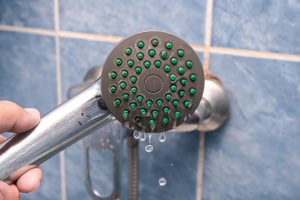
Hard water causes buildup inside faucets, showerheads, and pipes. This mineral scaling reduces flow and makes cleaning difficult. You can use a simple vinegar soak to remove deposits from fixtures. For whole-home protection, consider installing a water softener.
Sediment buildup can clog faucet aerators and showerheads. Cleaning or replacing these parts often restores strong water flow. Appliances like dishwashers and washing machines also collect debris inside their hoses and filters. Regular cleaning prevents clogs and protects performance.
Older Phoenix homes may have narrow or outdated pipes. These designs cannot handle today’s water needs. If you remodel your kitchen or bathroom, consider updating plumbing lines. Modern pipe sizes provide better flow and reduce water pressure problems.
Phoenix supplies water from multiple sources. During peak demand, supply can fluctuate and cause short-term drops in pressure. Checking the city’s service updates online helps you confirm whether the issue is inside your home or in the larger supply system.
You can test water pressure using a gauge available at most hardware stores. Attach it to an outdoor faucet and record the reading. Normal home pressure ranges between 40 and 60 psi. If the reading falls below this range, your water pressure Phoenix problem may need professional repair.
A pressure regulator usually lasts about 10 to 15 years. If your regulator is older or showing signs of failure, replacement is often the best solution. Installing a new pressure regulator Phoenix homeowners can rely on helps protect both comfort and plumbing systems.
Sometimes low water pressure points to more serious problems. Pipe corrosion, underground leaks, or main line blockages require expert repair. If you notice sudden changes in pressure, don’t ignore them. Fast action prevents costly water damage.
Regular plumbing inspections keep your system healthy. Ask your plumber to check valves, regulators, and pipes once a year. Cleaning fixtures and using a water softener also help maintain steady flow. Preventive care saves you from emergency repairs later.
Try cleaning aerators, flushing water heaters, and checking valves before calling for service. Many pressure issues come from small clogs or easy-to-fix valve problems. If these steps do not restore flow, it’s time to contact a professional.
Professional plumbers use tools and knowledge to find hidden problems. They can test for leaks, replace regulators, and repair damaged pipes safely. Attempting complex repairs without training risks more damage. Trusted local experts like Chas Roberts provide reliable solutions.
Low water pressure affects efficiency. Appliances may use more water or energy to complete cycles. Fixing pressure problems helps conserve resources in Phoenix, where water is precious. A strong plumbing system protects both your comfort and your utility bills.
Stay updated with our latest home maintenance tips and guides by visiting our blog regularly.
Your home is your haven, and we’re here to help you keep it running smoothly.
Read our customer testimonials and check out our newest deals and coupons to discover why Chas Roberts is the right fit for you!